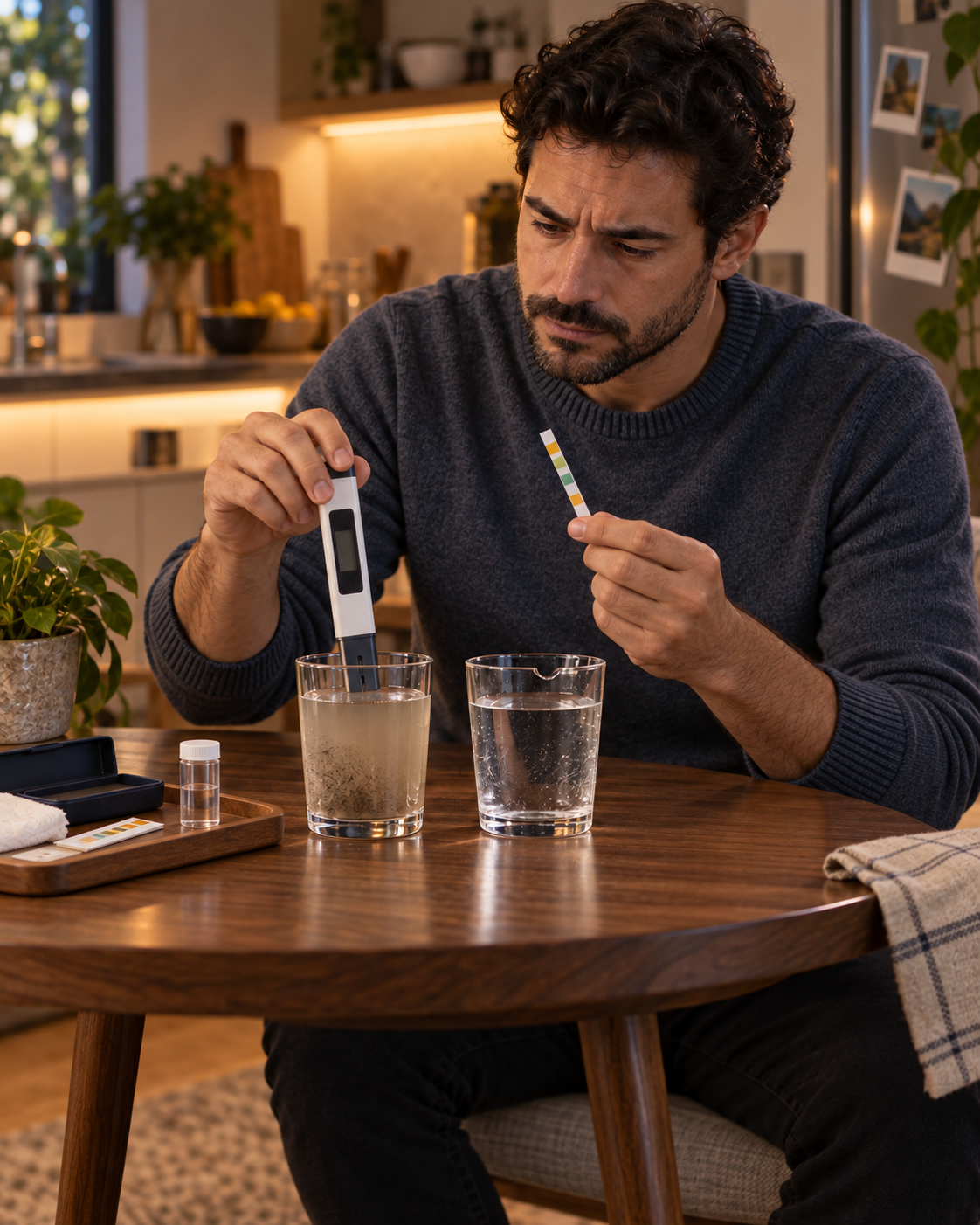
A seal can confirm an account. But can it confirm the content?
Trust cannot rest only on where a video was published or on the file that happens to carry it.
Return for a moment to the wax-seal metaphor. A seal once carried a powerful promise: someone used a personal mark to close a message, and the recipient had reason to believe both where it came from and that it had arrived unopened.
A century ago, that could often be enough. Digital communication has a very different life. A work does not travel in a straight line from sender to recipient. It is published, copied, downloaded, clipped, recompressed, edited, reposted, and redistributed.
There are valuable ways to establish trust around a video. A verified account can help people identify the person or organization behind a channel. Cryptographic signatures, provenance records, and metadata can provide checkable information about a particular file, its origin, and its history.
C2PA—Coalition for Content Provenance and Authenticity—is an important example. In simple terms, it can associate a digital asset with verifiable statements about how it was created, which tools were involved, what changes were recorded, and who made those assertions. It is a powerful capability. It does not, however, eliminate a second question.
The central distinction
The container changes; the question remains
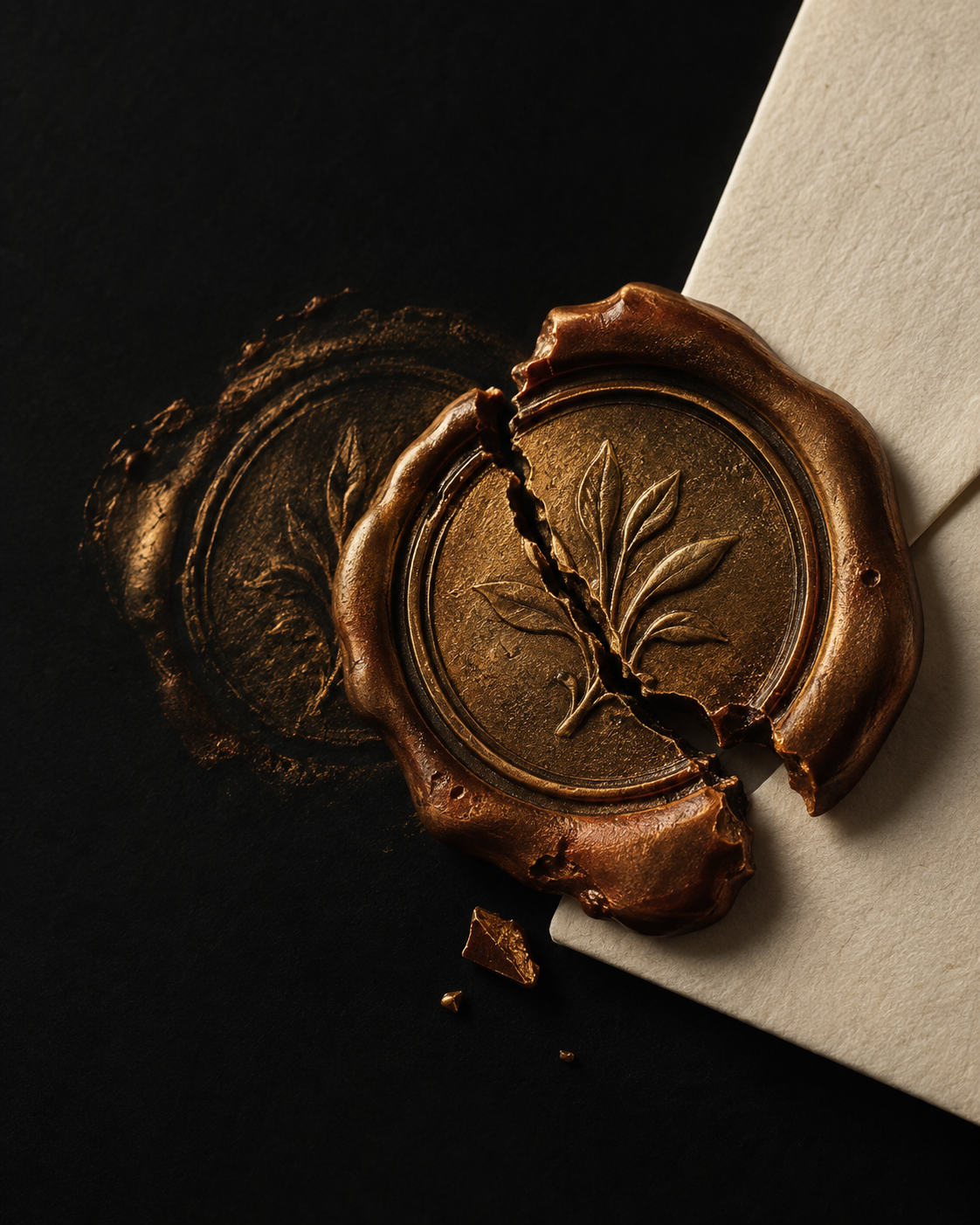
Think of a bottle of water. Before drinking it, we inspect the seal because it gives us important evidence: this particular bottle probably preserved the condition in which it left the producer.
A cryptographic signature or provenance record can play a similar role online. It relates a particular file to its source and history. But the internet has an inconvenient property: content changes bottles all the time.
A video may be transcoded by a platform. Its resolution, codec, bitrate, or container may change. It can be downloaded, cropped, recompressed, screen-recorded, or published again elsewhere. Yet the people watching it may still understand it as the same video.
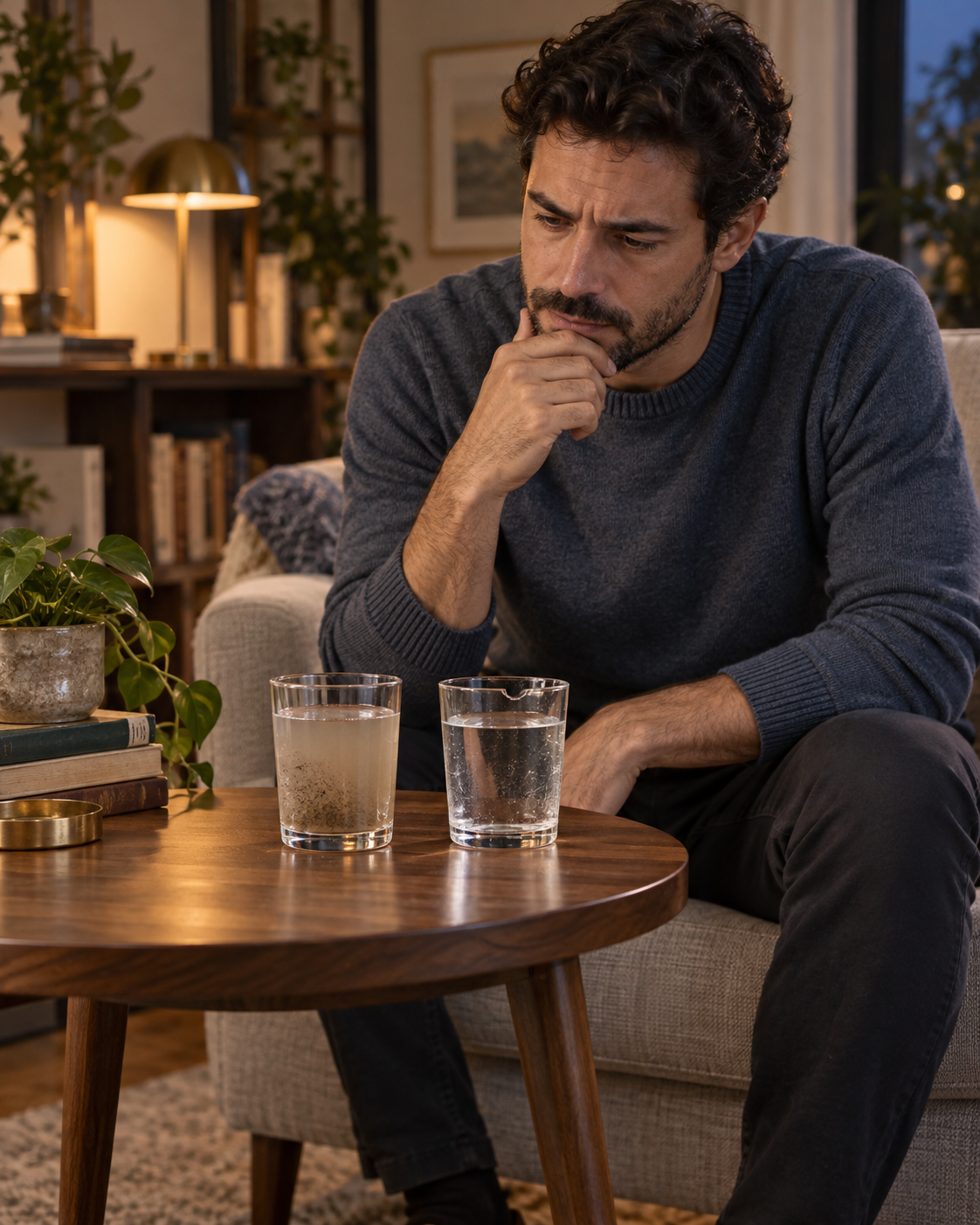
Imagine that the same water is repeatedly poured from a bottle to a glass, then into a jug, then into another container. The vessels change in size, material, shape, and appearance. Examining the vessel alone no longer answers the question that matters: is the water that reached me still the same?
Digital media works similarly. A file may change while the work experienced by the audience has not changed in any meaningful way. Conversely, a technically small change can radically alter what a person said, showed, or published. Provenance and verification of the content itself are related, but they are not the same problem.
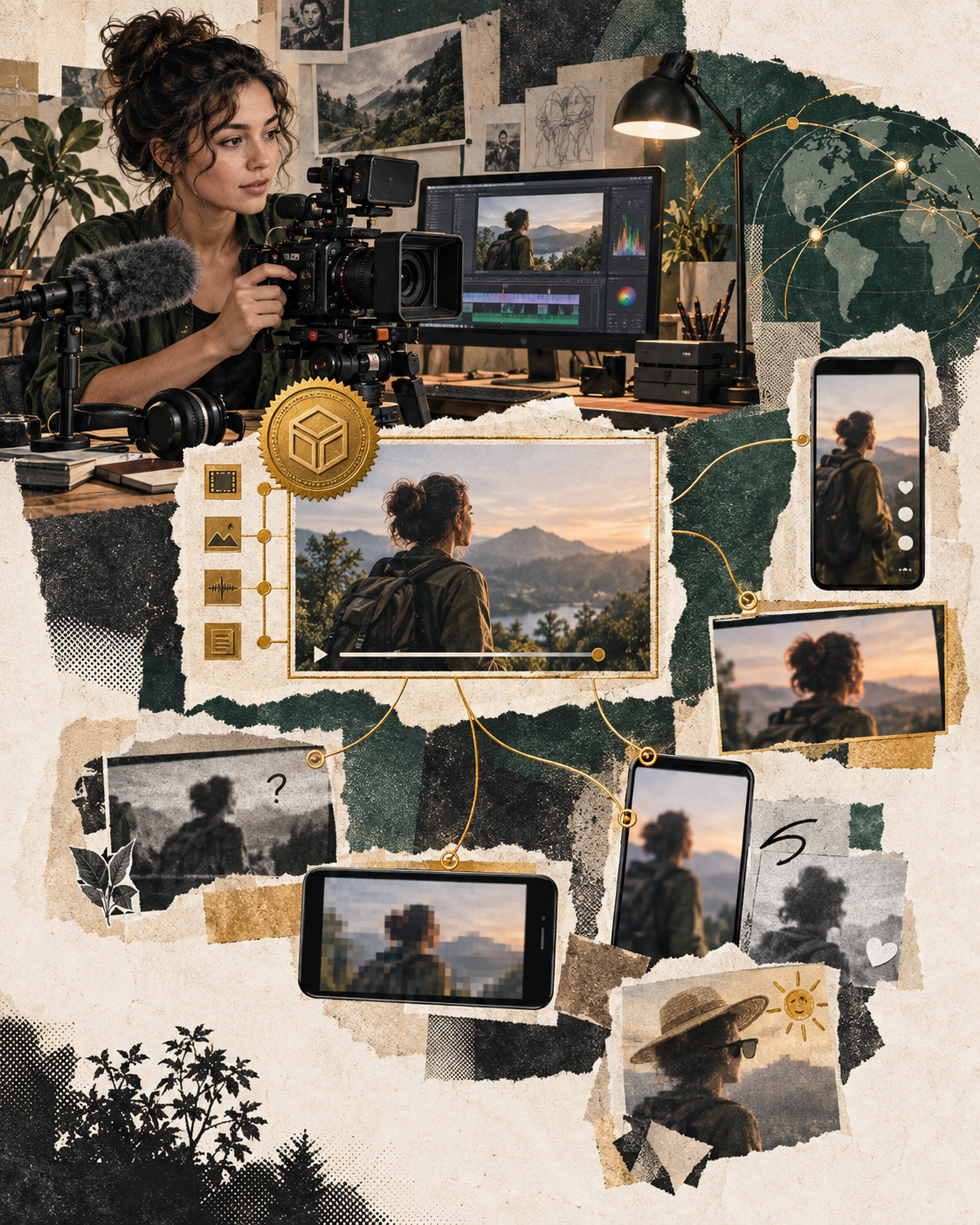
Imagine a creator recording with equipment and tools that support modern provenance mechanisms. The work can be born with cryptographically verifiable information about its capture and then move through an editing workflow that preserves or adds further records. That is extremely valuable.
Once published, however, the work enters an ecosystem the creator no longer fully controls. Platforms may generate new representations; other people may copy it; excerpts may be taken; the material may be recompressed or reposted outside its original setting.
That creates a second need: to recognize the work even when the file carrying it has changed. More importantly, the viewer needs a way to assess whether what is now being seen and heard remains compatible with what the creator originally registered or chose to stand behind.
The proposal
The VeriCreator Sign approach
VeriCreator Sign is intended to work at that layer. Rather than relying exclusively on the integrity of the file that carries a work, it examines characteristics of the content people actually see and hear.
The goal is not to deny the value of verified channels, cryptographic signatures, or provenance systems. It is to complement them when ordinary distribution changes the file: the file, resolution, compression, format, and platform may all change.
The key question is different: does the copy that reached me still correspond to the work the creator registered? By combining audiovisual evidence, VeriCreator seeks to assess that correspondence even when the work is no longer in the same file in which it began.
On the internet, the container will keep changing. The work is what needs to remain recognizable.